“Ethiopian Fine Coffee Beans” search results (700)

Unique aromatic Ethiopian Coffee Flavor Taste introduction to Fine Coffee in Manor production area
Coffee is Ethiopia's most important export cash crop and the main source of Ethiopia's foreign exchange earnings. Ethiopia's coffee exports account for about 3% of the world market, making it the eighth largest coffee exporter in the world. Coffee exports increased steadily from 58000 tons in 1990 to 110000 tons in 1995-1996 and remained at this level in the following years. 2001-2002
2016-08-09 Unique fragrant Ethiopian coffee flavor taste manor producing area characteristics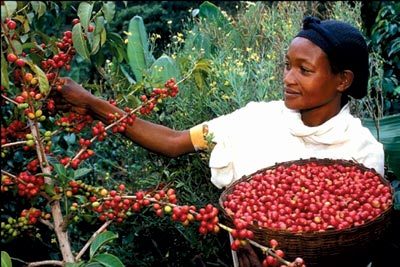
Grading and quality control system for coffee African fine coffee beans Ethiopian coffee beans
Coffee classification and quality control system In Ethiopia, coffee classification and quality control system is divided into producer, regional and national three levels. All coffees are inspected by local inspection agencies before they leave the country of origin, and then re-inspected at coffee inspection and grading centres in Addis and Diredova to determine their quality grade. Coffee is graded before auction and sale
2016-07-12 coffee grading quality control system africa boutique coffee beans essel cay
Aromatic and rich Ethiopian coffee flavor Taste Manor Features of producing area Introduction Fine coffee beans
Ethiopian coffee beans grow in a near-natural environment. After years of cultivation under the same growing conditions, Ethiopian coffee beans have gradually adapted to the environment here. More than 60% of coffee beans are forest or semi-forest grown coffee. Coffee farming villages produce about 35 percent of the country's coffee. Many of these are used.
2016-08-03 Aromatic Thick Ethiopian Coffee Flavor Taste Manor Region Characteristics
Ethiopian Coffee Flavor and taste introduction to the producing areas of Fine Coffee beans in the Manor
In February 1977, Lieutenant Colonel Mengistu Haier Maryam (MENGISTU HAILE MARIAM) launched a military coup and served as Chairman of the interim military Administrative Council and head of State. In 1979, the Ethiopian Labor people's Party Organization Committee, dominated by soldiers, was established to implement an one-party system. In 1984, the Ethiopian Workers' Party was formed according to the Soviet Communist Party model. Mengistu, September 1987
2016-08-30 Ethiopia coffee flavor taste manor boutique coffee beans characteristics producing areas
Ethiopian Coffee Flavor description Grinding degree Taste characteristics introduction of fine coffee beans
Washed coffee accounts for 35% of exports. Good quality washed coffee is processed with freshly picked fully ripe fruit, picked carefully and closely monitored by professionals. The picked clean coffee beans are pulped on the day of picking, then fermented, washed, dried and peeled. The humidity of processed coffee beans is kept at about 12%. Sun-cured coffee accounts for 65% of exports. Mainly by
2016-10-07 Ethiopia coffee flavor description grinding taste characteristics variety boutique
Introduction to Ethiopian Coffee Culture and Flavor of Fine Coffee beans
The southern western highlands of Ethiopia (border of Shewa and Sidmo provinces) east of Jima, north of Sidamo, 3600-6200 feet above sea level are preferred by most Europeans and Americans, most of them are washed with water, their annual output is about 110000bags/60kg, most of the beans are round (15/16scr), the color is green and bluish, the export is mostly G2, the taste is similar to Yegashev, but the viscosity is thin, but
2016-06-15 Boutique coffee beans Ethiopia coffee culture flavor introduction Ted manor
Fresh and bright Ethiopian Coffee Manor Flavor characteristics of Fine Coffee
In December 1994, the Constitution of the Federal Democratic Republic of Ethiopia was formulated. According to the Constitution, Ethiopia will implement a federal system and a parliamentary cabinet system after the general election for a term of five years. After the national election in May 1995, the Federal Democratic Republic of Ethiopia was established on August 22, and Meles became prime minister in her capacity as chairman of the majority party of the people's House of Representatives. On May 14, 2000, Ethiopia held a national meeting
2016-08-31 Taste Xinming bright Ethiopia coffee manor flavor characteristics boutique
A brief introduction to boutique coffee beans and Ethiopian coffee
Lim G2 Ethiopia is the hometown of Arabica coffee, and you can see wild Arabica coffee in the forests of the Kaffa region. In Ethiopian, coffee is called Bun or Buna, and coffee beans (coffee bean) may be translated from Kaffa Bun. Arabica coffee has long been found in the Harald area, which is very accessible.
2014-11-19 Coffee knowledge fine coffee beans Ethiopian coffee
Death Wish Coffee Sidamo Coffee Taste Rose Summer Coffee Ethiopian Fine Coffee
Ethiopia Sidamo G2: Located in southern Ethiopia, Sidamo coffee is cultivated at altitudes between 1400m and 2000m, extending east to Arsi and Bale administrative regions and west to Gamogofa administrative region. The industry here is dominated by agriculture, and the main growing area of coffee is located in the Great Rift Valley.
2016-05-04 Death Wish Coffee Dharma Taste Rose Ethiopia Fine
Fine Coffee Ethiopian Coffee Culture sets out from Ethiopian Culture
Coffee trees are very similar to laurel and usually grow between the Tropic of Cancer and the Tropic of Cancer. A coffee tree usually grows for about three to four years before it begins to bear fruit. the fruit is a red berry and a small number of yellow berries. After drying and removing the pulp, the coffee beans can be separated. There are shadows of coffee beans all over the world, as long as the climate is right.
2016-05-29 Boutique coffee Ethiopia coffee culture departure Obi subculture
Ethiopian Coffee Flavor description Grinding degree treatment Variety characteristics of Fine Coffee introduction
Ethiopia's coffee grading and quality control system has two main indicators: visual inspection and cup evaluation, including the color, cleanliness, origin, taste and characteristics of coffee beans. The export rating is marked by simple numbers, with the best washed coffee at level 5 and the best sun-cured coffee at level 4. After grading, mark the place of origin and then export. Usually the export is paid by letter of credit.
2016-10-12 Ethiopia coffee flavor description grinding processing varieties characteristics boutique
Acidity and texture of Ethiopian Coffee Manor Flavor characteristics of Fine Coffee beans
In Ethiopia, the grading and quality control system of coffee is divided into three levels: producer, regional and national. All coffee is inspected by local inspection agencies before leaving the country of origin, and then re-tested at the coffee inspection and grading centers in Addis and Diredawa to determine its quality grade. Coffee is graded before auction and sale, for all involved in production, acquisition,
2016-08-11 Acidity texture Ethiopia coffee manor producing area flavor taste characteristics
Types of bean grinders for fine coffee in other Ethiopian coffee producing areas
Iron ratio to Bebeca: the iron ratio is 1000 to 1900 meters above sea level and 900 to 1200 meters above sea level. Located on the edge of the Kafa forest, these two areas are the lowest coffee-producing areas in Ethiopia, dominated by bulk commercial beans or formula beans. Tiebi also has a lot of wild coffee. Coffee in this area is seldom used as boutique or single bean. Kinby and Lekampi: Lim is heading northwest, but
2016-04-20 Ethiopia coffee other producing areas boutique bean grinder type Tiebi Beibei
Ethiopian Sidamo Lion King Sun-treated Fine Coffee
Coffee bean details: 1. Country: Ethiopia 2. Grade: G13. Production area: Guji 4. Planting altitude: 1800-2000m 5. Soil type: volcanic laterite 6. Annual rainfall: 1100-1200 cm 7. Treatment: insolation 8. Variety: native species (Heirloom) 9. Disposal site: Sirsa Cooperative 10. Raw bean specification: 17-18 items 11. Flavor: Jasmine, honey,
2016-05-20 Ethiopia Dharma Lion King Solar processing Fine goods Coffee Coffee beans details
Yemeni and Ethiopian fine coffee
The best way to harvest high-quality coffee beans is to harvest them manually. That is, only mature coffee fruits are picked to prevent coffee fruits with inconsistent maturity from being picked at the same time. Because those unripe and overripe fruits will affect the balance and stability of coffee taste, boutique coffee needs to be picked frequently and carefully during harvest. Ocha Mattari: Yemen and Ethiopia
2016-05-24 Yemen Esso Biya boutique coffee coffee beans harvest way best
The origin of coffee beans, fine coffee
Yega Sheffield Coffee refers to the Yega Sheffield Coffee produced in Ethiopia. Yega Xuefei is the name of a local town. It is about 1700-2100 meters above sea level. Now Yejashafi coffee has become synonymous with Ethiopian boutique coffee. Chinese name Ethiopia Yega Xuefei Coffee Foreign name Yirgacheffe main ingredient Coffee contains preservatives is not suitable for the population
2016-05-09 Yega Sheffield Coffee beans Origin Fine Coffee Coffee
Ethiopian Coffee Manor Flavor description Grinding degree Variety characteristics introduction to the taste of fine coffee beans
In Ethiopia, the grading and quality control system of coffee is divided into three levels: producer, regional and national. All coffee is inspected by local inspection agencies before leaving the country of origin, and then re-tested at the coffee inspection and grading centers in Addis and Diredawa to determine its quality grade. Coffee is graded before auction and sale, for all involved in production, acquisition,
2016-10-10 Ethiopia coffee manor flavor description grinding varieties characteristics boutique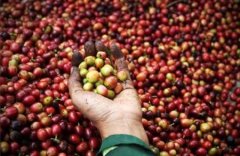
Introduction of African Fine Coffee Bean producing countries-- Ethiopian Coffee characteristics Ethiopia
Ethiopia is an agricultural country with a history and tradition of coffee origin. The place where the name coffee comes from is Kafa in the southwest, while the Sidamo place in the south is the main producing area, and Yegashafi is one of the southern producing areas of Sidamo. The Eastern Highland Hara is as famous as the coffee name Hara. Ethiopia is an important coffee producer.
2016-03-23 Africa boutique coffee beans producing countries introduction Ethiopia coffee characteristics
Ethiopian Coffee Flavor Description Grind Taste Variety Fine Coffee Introduction
In July 1991, EPF hosted a national conference attended by more than 20 political and ethnic organizations. The meeting adopted the Transitional Charter and elected an 87-member House of Representatives, with EPF Chairman Meles Zenawi as President of the Transitional Government and President of the House of Representatives. A transitional government was established. On 24 May 1993, Eritrea (formerly Ethiopian Province of Eritrea) adopted a resolution at the International Conference on the Elimination of All Forms of Discrimination against Women (ICPD).
2016-09-28 Ethiopia Coffee Flavor Description Grind Taste Variety Fine Introduction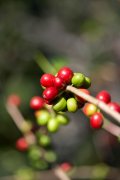
Ethiopian Coffee African Flavor
. Ethiopian fine coffee beans are best harvested manually. That is, only ripe coffee fruits are picked to prevent coffee fruits with inconsistent maturity from being picked at the same time. Fine coffee requires frequent and careful hand picking during harvest because underripe and overripe fruits affect the balance and stability of coffee flavor. Ethiopia is
2016-05-23 Ethel Bissau Coffee African Flavor Ethiopian Fine